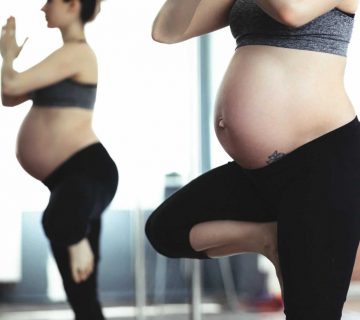
Nutrition plays an important role in maternal and child health. Poor maternal nutrition has been associated with poor maternal and fetal outcomes.
- Eat at regular mealtimes. Do not skip meals. 5-6 small meals are preferable to 3 large ones.
- Eat fruit every day. It has good vitamins.
- Avoid alcohol and smoking.
- Moderate intake of tea, coffee and aerated drinks.
- Increase caloric intake by 300 calories in pregnancy and 500 calories in lactation.
- Milk and milk products like curd, buttermilk, cheese are rich in calcium, Vit B12 and proteins.
- Green leafy vegetables like spinach and methi are a good source of iron and folic acid.
- Lean meat, chicken and fish provide proteins.
- Nuts and cereals are good sources of proteins for vegetarians.
- Drink plenty of fluids, 6 to 8 glasses of water per day.
- Avoid raw or undercooked meat, canned meat or fish. Avoid cheese made from unpasteurised milk.
- Limit the consumption of fish to max 2 servings per week.
- Cut down on sugary foods and deserts (especially on puddings, cakes and ice-creams) excess of these foods can lead to diabetes in pregnancy.
- Avoid excessive weight gain. This may increase the risk of diabetes and hypertension.
Vegetarian Diet include dairy product which provide adequate energy & nutrient intake & therefore paients do not require special supplementation.
Recommendations for weight gain
| BMI (Body Mass Index) | Pregnancy Weight | Recommended weight gain in pregnancy |
|---|---|---|
| Less than 18.5 | Under Weight | 13 kg to 18 kg |
| 18 to 25 | Normal Weight | 11 kg to 16 kg |
| 25 to 30 | Over Weight | 7 kg to 11 kg |
Vegan Diet includes no animal products. These are completely devoid of meat, dairy products & eggs. Such a diet may be deficient in Vitamin D & B12. It may also be extremely low in fat making meeting the energy requirements a challenge. Pregnant women who follow vegan diets require additional Vit D, Vit B12 & careful attention to energy intake.
Multiple gestations: Women carrying multiple gestations have increased nutritional requirements. The recommended weight gain for twin gestations is 16 – 20 kgs. This requires approximately 150 kilo calories per day over the dietary requirements of singleton pregnancies.
Natural sources of
- Calcium : fish, meat, dairy products, milk, yogurt, cheese, cabbage, broccoli, beans
- Iron: meats, beans like rajma, Green leafy vegetables, such as spinach and methi, beetroot, fruits such as mango, guava, and oranges, nuts like peanuts, dates & almonds.
Nutritional supplements
Iron deficiency causes anaemia. The World Health Organisation (WHO) has reported that 42% of pregnant women globally are anaemic and that 90% of these women belong to Africa and Asia. In India the prevalence of anaemia is the highest in the world. Anaemia is a health hazard for both mother and baby. Therefore supplementation of iron is recommended.
Folic acid supplementation has been well established in multiple studies. This should be started 3 months before pregnancy. A protective effect of folic acid against neural tube defects in the baby is well known.
Calcium is a very important mineral for the mother. Low levels of calcium can cause demineralisation of mother`s bones and teeth. Several studies have reported that calcium supplementation during pregnancy may reduce the risk of hypertension in the mother.
Other micronutrients like iodine, zinc, magnesium, vitamin A, vitamin B6, vitamin B12 and vitamin C are also important in improving birth outcome.